
Trade Silver
Start trading silver today, with Switch Markets
What is silver trading?
Trade silver with Switch Markets through CFDs, giving you exposure to silver price movements without the need to own or store the physical metal. Take advantage of rising or falling markets and access leveraged trading on MetaTrader 4 or MetaTrader 5.
Open AccountSilver (XAG/USD) CFDs explained - What are CFDs on silver?
CFDs on silver, or Contracts for Difference, are derivative products in financial markets that enable traders to speculate on the price movements of silver without actually owning physical silver bars or any obligation to deliver or collect silver bullion. A silver CFD involves an agreement to profit or lose from the price difference of silver between the trade's opening and closing.
Rather than trading silver bullion or coins, traders buy and sell silver CFDs to gain exposure to silver's price through an online trading platform. You can trade based on whether you expect silver prices to rise or fall, making CFDs suitable for both bullish and bearish market conditions.
A key feature of silver CFDs is leverage, which allows traders to control a larger position with a smaller upfront amount of capital. While leverage can amplify potential profits, it also increases risk, so proper risk management is essential. Other benefits of silver CFDs include easy market access and a simple registration process, low deposit requirements, and low trading costs.
With no need for physical storage and the ability to trade short-term price movements, they provide a convenient way to participate in the silver market.
Why trade silver with Switch Markets?
Get fast execution, tight spreads and transparent pricing on silver CFDs, plus access to the powerful free trading tools to help you trade smarter.

Low spreads
We offer low and competitive spreads on silver, ensuring you get the best value when trading. Our trading costs are minimal, making it more affordable to trade efficiently.
0% commission account
Trading silver comes with zero commission, no deposit or withdrawal fees, and no inactivity fees, helping you keep more of your profits without unnecessary costs.
Free Trading Tools
With us, you get a variety of free trading tools, including AlgoBuilder, PineConnector, Trackatrader, and Expert Advisors (EAs).
High leverage ratio
We offer silver traders high leverage of up to 1:500, allowing greater flexibility and trading potential.
Trading accounts
You can choose from a wide range of account options to suit different trading needs, including Cent, Standard, ECN, Islamic, VIP, and PAMM accounts.
Start with as little as $50
Start trading silver with as little as $50, with no deposit or withdrawal fees and access to a wide range of convenient payment methods.
Key Factors That Affect Silver Prices
Industrial Demand
Industrial demand is one of the most important drivers of silver prices. Silver is widely used in many industrial applications, such as electronics, solar panels, medical equipment, and manufacturing, due to its superior electrical conductivity and durability. When global industrial activity expands, demand for silver rises, often pushing prices higher, while manufacturing slowdowns can weigh on prices.
Demand From AI and Quantum Computing
Emerging technologies such as artificial intelligence, data centers, and quantum computing are increasing the demand for advanced electronic components, many of which rely on silver. As these technologies scale rapidly, more silver is required to produce silver-based components used in high-performance circuits and precision hardware, making this demand a key driver behind strong upward price momentum during recent market rallies, when silver reached its all-time high of above $100 in January 2026.
Macroeconomic Factors
Macroeconomic conditions play a major role in silver pricing. Economic indicators, such as inflation rates and expectations, interest rates, and central bank policies, all influence investor demand for silver as both an industrial metal and a store of value. Lower interest rates and high inflation environments often support silver prices, while tighter monetary policy can create downward pressure.
Geopolitical Events
Geopolitical uncertainty tends to boost silver prices as silver investors seek safe-haven assets. Conflicts, trade tensions, and global instability can disrupt supply chains or increase risk aversion, leading to stronger demand for precious metals like silver during periods of market stress.
U.S. Dollar
Silver prices are closely linked to the US dollar, as silver is priced globally in USD. A weaker dollar generally makes silver cheaper for international buyers, increasing investment demand and supporting higher prices, while a stronger dollar can have the opposite effect. Traders often use fundamental analysis and technical indicators to analyze the current silver price versus the US dollar.
Correlation With Gold Prices
Silver often moves in tandem with gold, particularly during times of economic uncertainty. While silver tends to be more volatile, strong bullish trends in gold frequently spill over into the silver market, making gold price movements an important indicator for silver traders.
Start Trading Silver In 3 Easy Steps
1

Open Account
Register and start trading in less than 5 minutes.

2
Deposit Funds
Make min. deposit of $50 using any of our deposit methods.
3

Start Trading
Trade instantly with tight spreads and zero commission.
- Trade 1,000's of Global Markets
- Fast Deposits & Withdrawals
- 0% Commission Accounts
- 24/7 Human Customer Support
- Advanced Free Trading Tools
Confused on how to start trading silver?
Stream to learn exactly how


Gold & Silver - what's happening in the markets today?

Breaking News impacting the markets today
Trade silver alongside our Market Analysts, daily
Start trading precious metals with confidence
High Liquidity and Global Demand
Opportunities in Both Rising and Falling Markets
Strong volatility making it appealing to day traders and swing traders
Easier to trade silver via CFD than handle the commodity itself
What is a Contract for Differences (CFD)?
A contract for differences (CFD) is a financial agreement where investors exchange the difference in values of an asset between when the contract opens and closes.
CFD investors speculate on price movements without owning the underlying asset, allowing for potential profits from both rising and falling markets.
Advantages of CFDs include lower capital requirements through leverage, global market access, no shorting restrictions, and flexible trading options.
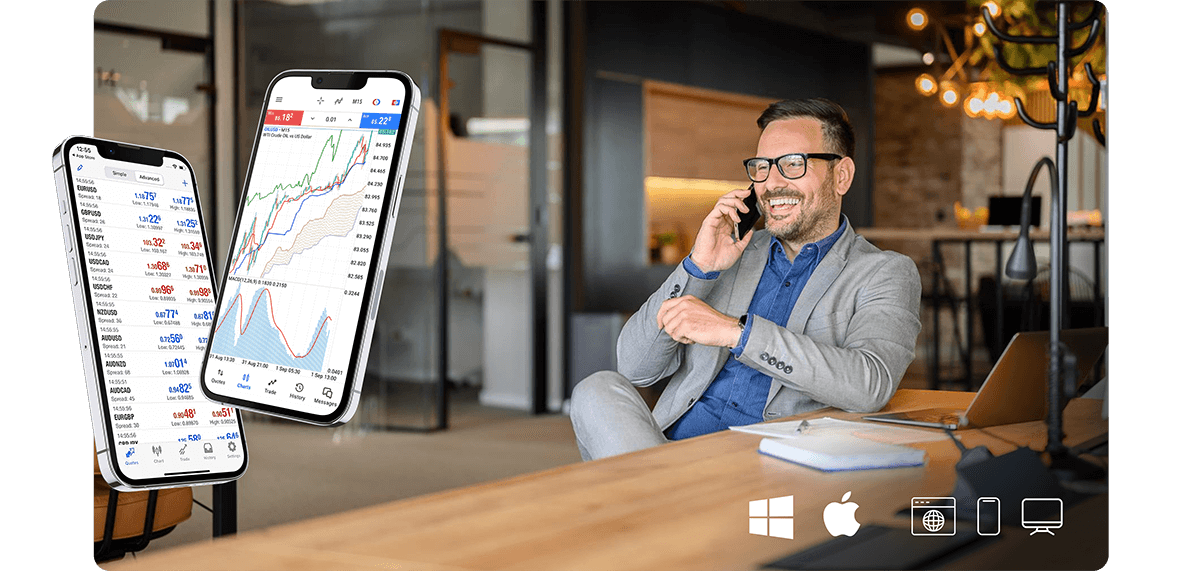


Trade Silver On The Most Powerful MetaTrader Platforms
Trade with the world's most popular trading platforms - on any device.
Trade silver today. Big moves, non-stop action.
Join thousands of savvy traders capitalising on one of the most exciting precious metals markets in history. There's never been a better time to add silver to your trading portfolio.
Open AccountFAQs
Everything you need to know about trading silver with Switch Markets.